

Table of Contents
- The Real Performance Gap: What Expensive Gaming Gear Actually Delivers
- Understanding Diminishing Returns in Gaming Hardware
- Budget vs Pro Gaming Gear: Where Quality Matters Most
- Is a High Refresh Rate Monitor Worth It for Your Play Style
- Build Quality, Durability, and Long-Term Value
- Skill Ceiling vs Gear Ceiling: When Technique Matters More Than Equipment
- Making the Right Choice for Your Gaming Style
Last Updated: August 22, 2026
The Real Performance Gap: What Expensive Gaming Gear Actually Delivers
When shopping for gaming equipment, price tags shock: premium mice run $80+, high-end monitors exceed $400, top-tier consoles push into the hundreds. But does expensive gaming gear actually perform better, or are you paying for branding and aesthetics?
The answer is nuanced. Expensive gaming gear delivers measurable performance advantages in specific areas, but those advantages don't always translate to better results for every player.
High-end peripherals like the Mchose A7 V2 Pro Ultra tri-mode wireless gaming mouse showcase this principle. At $80.99, it offers 42,000 DPI sensor accuracy, 8K polling rate, and ergonomic design that budget mice don't provide (peer-reviewed research). These specs matter for competitive play, input lag, sensor precision, and tactile feedback directly influence your ability to aim and react.

However, those performance advantages only matter if your skill level can exploit them. A casual player using a $15 mouse versus an $80 mouse will notice comfort and build quality differences, not competitive performance gains, because their technique isn't refined enough to benefit from the precision.
Understanding Diminishing Returns in Gaming Hardware
Most people assume performance scales linearly with price. It doesn't.
Diminishing returns in gaming hardware follow a predictable curve. The jump from a $20 budget mouse to a $60 mid-range mouse is substantial, better sensor accuracy, lower latency, improved ergonomics. The jump from $60 to $120 is smaller: slightly better polling rates, lighter weight, more customization options.
The same pattern holds for monitors. A $200 1080p 144Hz monitor delivers massive improvement over 60Hz (peer-reviewed research). A $500 4K 240Hz monitor is objectively better, but the practical gain depends on your GPU's ability to sustain those frame rates. If your graphics card can't push 240 FPS consistently, the expensive monitor becomes overkill.
Budget equipment handles most gaming scenarios adequately. Pro-level gear optimizes for the 5% of situations where microseconds matter. For competitive esports, that 5% is everything. For everyone else, it's nice to have but not necessary.
The psychological impact of gear matters too. Players often perform better with equipment they trust and feel confident using. A $30 mouse that feels right in your hand might deliver better results than a $100 mouse that doesn't fit your grip. Confidence and comfort are real performance factors that don't always correlate with price.
Budget vs Pro Gaming Gear: Where Quality Matters Most
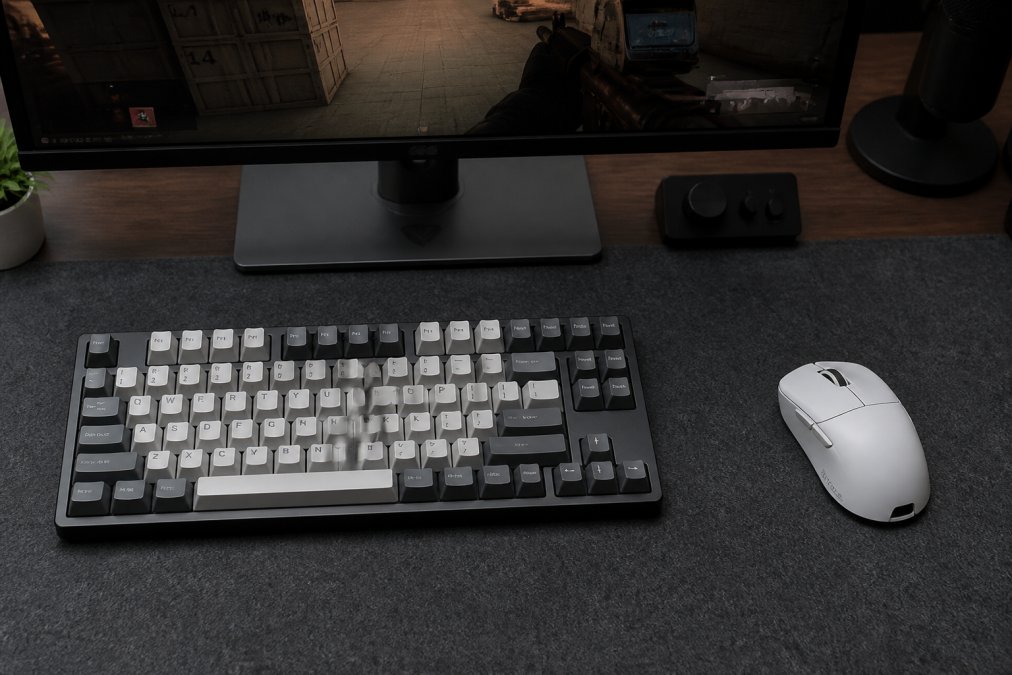
The choice between budget and pro gaming gear depends on three factors: your skill level, your game type, and your budget reality.
Budget gaming gear (under $100 for peripherals, under $300 for monitors) covers most casual and intermediate players adequately. A budget mouse with 3200 DPI and 1000Hz polling rate works fine for MMOs, story games, and casual competitive play. A 1440p 144Hz budget monitor delivers smooth visuals for most genres.
Pro-level gear ($200+ for peripherals, $400+ for monitors) targets competitive esports players where milliseconds determine outcomes. The Mchose A7 V2 Pro Ultra at $80.99 occupies the upper-mid tier, offering professional-grade sensor accuracy and polling rate without the $200+ price tag of ultra-premium mice.
Where quality matters most in expensive gaming gear:
- Mice and keyboards: Sensor accuracy and polling rate directly affect competitive performance. Budget mice drift or lag under stress; pro mice maintain precision under rapid movements.
- Monitors: Refresh rate and response time matter for fast-paced games. A 144Hz versus 60Hz monitor creates noticeable smoothness difference; 240Hz versus 144Hz is smaller but real for esports.
- Headsets: Build quality and audio clarity matter more than price. A $60 headset with good drivers often outperforms a $150 headset with poor design. Audio positioning in competitive games is critical.
- Chairs and desks: Build quality and ergonomics directly impact long-term health. Quality chairs last 5+ years and prevent back problems.
RGB lighting and aesthetic customization cost money but deliver zero performance benefit.
Is a High Refresh Rate Monitor Worth It for Your Play Style
High refresh rate monitors represent the most debated expensive gaming gear purchase. A 60Hz monitor costs $150-250. A 144Hz monitor costs $250-400. A 240Hz monitor costs $400-600. The question isn't whether they're better, they are. The question is whether the improvement justifies the cost for your specific play style.
A high refresh rate monitor is worth it if you play competitive fast-paced games and your GPU can sustain the frame rates. In competitive shooters like CS:GO or Valorant, the difference between 60Hz and 144Hz is immediately obvious. Motion looks smoother, your aim feels more responsive, and you can track moving targets more accurately.
A high refresh rate monitor is not worth it if you play single-player story games, turn-based strategy games, or MMOs where reaction time isn't critical. The visual smoothness is nice, but it doesn't affect gameplay outcomes.
The GPU factor matters enormously. A high refresh rate monitor only helps if your graphics card can actually push those frame rates. If your GPU maxes out at 80 FPS, a 144Hz monitor is wasted money.
The improvement from 60Hz to 144Hz is massive. The improvement from 144Hz to 240Hz is real but smaller. The improvement from 240Hz to 360Hz is marginal for most players. The cost-per-performance ratio worsens at each step.
Build Quality, Durability, and Long-Term Value
Expensive gaming gear often delivers better build quality, which translates to durability and long-term value.
Budget gaming mice use cheaper plastic housings, lower-quality switches, and basic sensors. They fail after 1-2 years of heavy use. Premium gaming mice use reinforced materials, mechanical switches rated for millions of clicks, and advanced sensors. They last 4-5 years or more.
The same principle applies to keyboards, headsets, and monitors. Expensive gear uses better materials, better manufacturing processes, and better quality control.
Build quality doesn't always correlate perfectly with price. A $100 keyboard from a reputable manufacturer might outlast a $200 keyboard from a brand that prioritizes aesthetics over durability. Research matters more than price alone.
Durability creates long-term value. If you spend $80 on a mouse that lasts four years, you're paying $20 per year. If you spend $30 on a mouse that lasts one year, you're paying $30 per year. Expensive gear often costs less over time.
Premium gaming gear also holds resale value better than budget gear. A three-year-old premium mouse in good condition might sell for 40-50% of its original price. If you upgrade frequently, expensive gear makes financial sense.
Skill Ceiling vs Gear Ceiling: When Technique Matters More Than Equipment
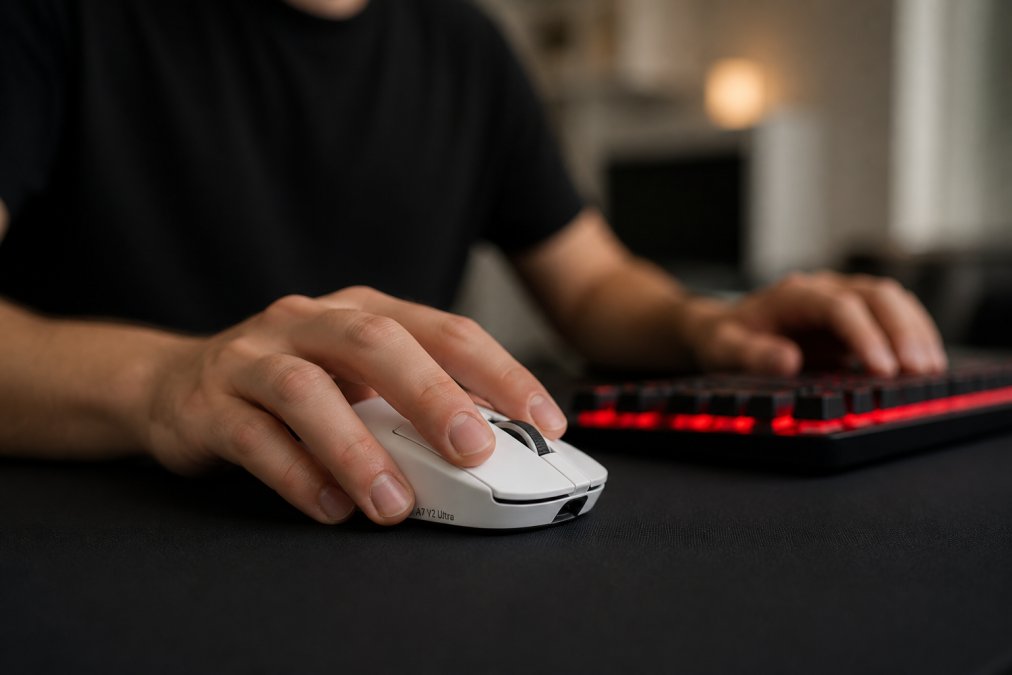
Here's the uncomfortable truth about expensive gaming gear: technique matters far more than equipment for most players.
Every game has two limits: a skill ceiling (maximum performance through technique, practice, and knowledge) and a gear ceiling (maximum performance your equipment allows).
For casual and intermediate players, the skill ceiling is much higher than the gear ceiling. You're limited by your ability to aim, react, and make decisions. Upgrading from a budget mouse to a premium mouse won't change that.
Professional esports players operate near both ceilings simultaneously. They've developed the skill to exploit every advantage their gear provides. For them, expensive gaming gear matters because they're competing where microseconds determine outcomes.
If you're not consistently winning or ranking highly, expensive gear won't fix it. Spend money on coaching, practice time, and game knowledge first. Upgrade gear when you've hit the point where your equipment is actually limiting your performance, not your technique.
This creates a progression path. Start with budget gear and focus on skill development. When you notice your equipment holding you back, your mouse can't track fast enough, your monitor's response time feels sluggish, your keyboard's latency is noticeable, then upgrade. You'll recognize the moment because you'll have developed the skill to feel the difference.
New expensive gear can boost confidence and motivation, which sometimes improves performance. But it can also create false expectations. You buy premium gear expecting instant improvement, then feel disappointed when you don't rank up immediately.
Making the Right Choice for Your Gaming Style
The decision to invest in expensive gaming gear comes down to honest self-assessment: What's your actual play style? How competitive are you? How much can you realistically spend?
Casual players who game 5-10 hours per week on story games and relaxed multiplayer: budget gear is sufficient. Diminishing returns make expensive gear a poor investment for your use case.
Intermediate competitive players who game 15-25 hours per week and care about ranking up: mid-range to upper-mid-range gear makes sense. The Mchose A7 V2 Pro Ultra at $80.99 represents this sweet spot, offering professional-grade features without the $200+ premium price.
Serious esports competitors or content creators: premium gear is justified. You're competing where milliseconds matter, or your equipment quality directly affects your audience's perception.
Build quality and durability shift the calculation. If you use gaming gear daily for work, expensive gear costs less over time because it lasts longer. If you use it casually, budget gear's shorter lifespan might align better with your upgrade cycle.
Consider the specific areas where expensive gaming gear delivers real benefits for your play style. If you play turn-based strategy games, expensive monitors and mice don't help much. If you play competitive shooters, they matter significantly.
The honest answer to whether expensive gaming gear is worth it: it depends entirely on your skill level, play style, and budget reality. For most players, mid-range equipment delivers 85-90% of the performance of premium gear at 50-60% of the cost.
The Techie Den helps you find that balance. Whether you're looking for entry-level peripherals or professional-grade equipment, we stock options across every price tier. Our gaming mice, adapters, and console bundles are selected to deliver genuine performance value, not just branding. Start with equipment that matches your current skill level, then upgrade when you genuinely need it. That's how you get real value from your gaming investment.
Frequently Asked Questions
Does expensive gaming gear actually improve your reaction time?
Expensive gear can reduce input lag and increase polling rate, which measurably improves response time in competitive games. A mouse with 8,000 Hz polling rate responds 8x faster than standard 1,000 Hz alternatives. However, the improvement only matters if your current setup has noticeable latency. If your existing gear already has low input lag, upgrading won't create a meaningful difference in your actual reaction time.
What is the point of diminishing returns in gaming peripherals?
Diminishing returns occur when each additional dollar spent produces smaller performance gains. Entry-level mice ($30-50) jump from 3,200 to 6,400 DPI with significant accuracy improvements. Premium mice ($80+) add 42,000 DPI and refined sensor precision, but the real-world advantage shrinks for most players. The Mchose A7 V2 Pro Ultra at $80.99 offers high-end specs, but casual gamers see minimal benefit over a $50 mouse with solid build quality.
How much should a beginner realistically spend on a gaming setup?
Start with $300-500 for a functional setup: a decent monitor (60 Hz), mid-range keyboard, and reliable mouse with adequate DPI. This covers entry-level performance without waste. As you identify your specific needs, competitive multiplayer, single-player immersion, or casual weekends, allocate budget strategically. Beginners often overspend on flashy RGB lighting and premium aesthetics before understanding what actually impacts their experience.
Is a high refresh rate monitor worth it for casual gaming?
High refresh rate monitors (144 Hz+) deliver smoother visuals and reduced frame time inconsistency, but casual players rarely notice the difference. If you play single-player games on weekends, a 60 Hz monitor handles that perfectly. Reserve high refresh rate investment for competitive multiplayer where frame rate stability directly affects aim and reaction windows. Casual gamers see better value upgrading other components first, like a better mouse or keyboard.
This article was written using GrandRanker


